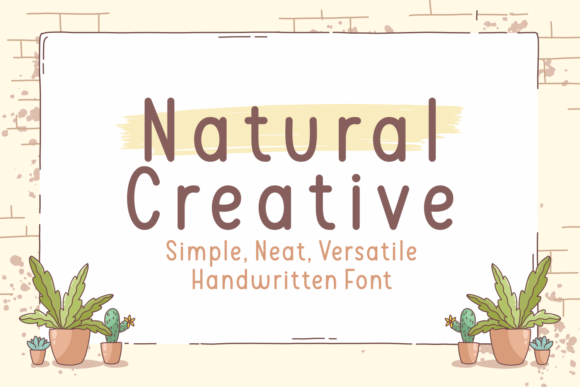
Natural Creative: The Handwritten Font for Authentic Design
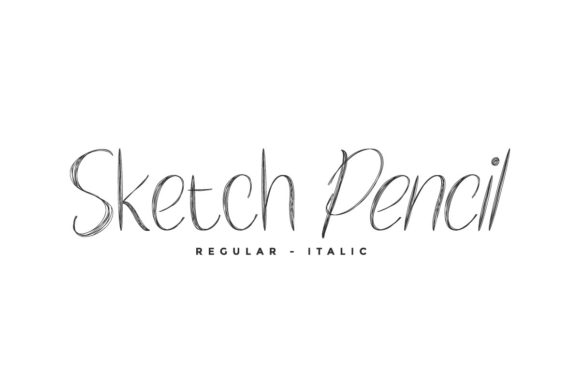
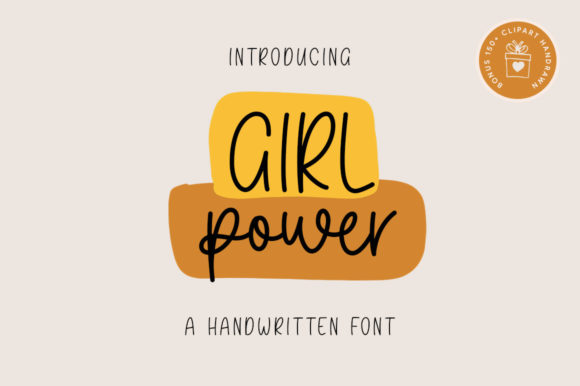
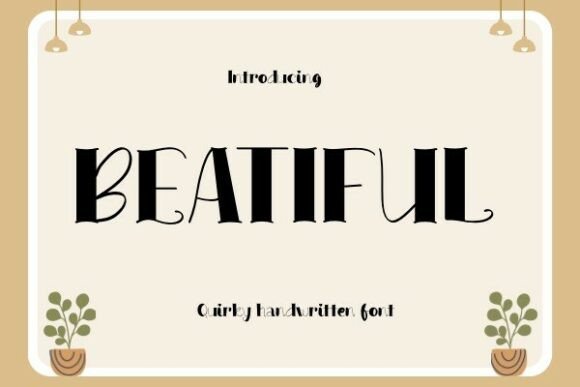
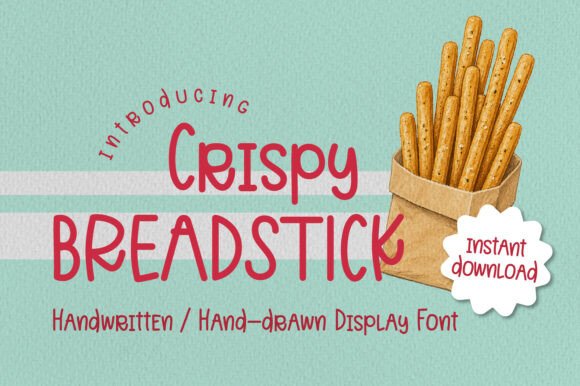
In a digital landscape saturated with crisp, uniform typography, the warmth of a handwritten font can cut through the noise and create an instant, personal connection. Natural Creative is a thin and simple handwritten font that can be used for all chalkboard quotes or teaching material! Its authentic look and feel will add a personal and realistic feel to your designs, making it a versatile asset for any creator seeking to blend professionalism with approachability.
The Role of Authentic Typography in Modern Branding
Effective visual communication hinges on more than just clarity; it requires emotional resonance. Typography is a powerful tool in a designer's arsenal for establishing tone and personality. A font like Natural Creative, with its delicate, organic strokes, serves a specific purpose in the broader graphic design ecosystem. It moves away from the mechanical precision of sans-serifs and the formality of serifs, offering a human touch that can significantly strengthen brand identity. This is particularly crucial for businesses and creators aiming to project values of authenticity, craftsmanship, and care.
Practical Applications Across Creative Projects
The utility of a clean handwritten font extends far beyond simple quotes. Its ability to convey a personal message makes it exceptionally adaptable. Consider integrating Natural Creative into your design workflow for:
- Branding & Logo Design: Use it for taglines, sub-marks, or brand names that require a friendly, artisanal, or boutique aesthetic. It pairs beautifully with cleaner typefaces to create visual hierarchy.
- Marketing & Social Media Graphics: Stand out in feeds with Instagram posts, Facebook ads, or Pinterest pins that feel bespoke and engaging. It’s perfect for call-to-action phrases or testimonial highlights.
- Packaging & Product Design: Enhance unboxing experiences on labels, hang tags, or thank-you notes. This font style communicates care and attention to detail, elevating the perceived value of a product.
- Editorial & Web Design: Break up long blocks of text in magazines, blogs, or website banners. Use it for pull quotes, headers, or special callouts to guide the reader's eye and add stylistic contrast.
- UI & UX Design: In user interface design, a handwritten font can be used sparingly for tooltips, notifications, or celebratory messages (like a "Well Done!" screen) to add a moment of delight and improve user engagement.
Tips for Effective Font Selection and Use
Choosing the right font is just the first step; implementing it effectively is what ensures a polished result. When working with a typeface like Natural Creative, keep these design principles in mind:
- Prioritize Readability: A thin, handwritten font is best suited for headlines, short phrases, and accent text, not for lengthy body copy. Ensure sufficient contrast and size, especially on digital screens.
- Establish Visual Hierarchy: Use it to create focal points. Pair it with a robust sans-serif for body text to maintain a clean, professional presentation while allowing the handwritten element to command attention.
- Maintain Brand Consistency: If you integrate this font into a brand system, define clear usage rules. Specify its role (e.g., for inspirational quotes only) to ensure it complements, rather than conflicts with, your primary brand fonts and color palette.
- Test Across Contexts: Evaluate the font in all intended applications—on a mobile screen, in print, on a dark background, and within a busy layout. This ensures it remains legible and impactful across all design projects.
Ultimately, the most compelling designs are those that communicate a message with both clarity and character. Thoughtful typography choices are fundamental to achieving this balance. By selecting high-quality creative assets that align with your project's goals and audience expectations, you transform functional design into meaningful visual storytelling. A resource like Natural Creative offers a specific, valuable tool for injecting personality into your work, proving that sometimes, the most effective way to stand out is to embrace a more human, handcrafted aesthetic.