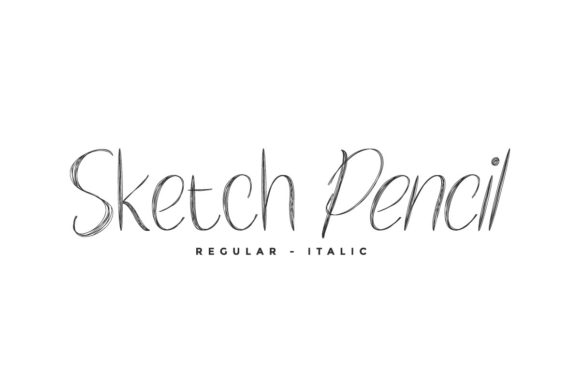
Sketch Pencil: The Handwritten Font for Authentic Design
In a digital world saturated with sterile, corporate typefaces, a handwritten font like Sketch Pencil offers a powerful antidote, injecting immediate warmth, personality, and authenticity into any creative project. This charming, lettered script is more than just a cute aesthetic; it's a versatile design tool that bridges the gap between digital precision and human touch, making it invaluable for designers, marketers, and creators seeking to forge a genuine connection with their audience.
Why a Handwritten Font Matters in Modern Design
Effective visual communication relies on evoking the right emotion and establishing a clear brand identity. Sketch Pencil excels here by providing a textural contrast to clean sans-serifs or formal serifs. Its authentic, sketched look adds a layer of realism and approachability, which is crucial for brands aiming to appear friendly, artisanal, or educational. This font doesn't just display text; it tells a story, making it a key asset in a designer's toolkit for creating memorable and engaging experiences.
Practical Applications Across Creative Projects
The utility of a font like Sketch Pencil extends far beyond chalkboard quotes. Its playful yet readable character makes it suitable for a wide array of applications where a personal touch enhances the message. Consider its impact in:
- Branding & Logo Design: Perfect for boutique brands, cafes, children's products, or any business wanting to convey handmade quality and care.
- Marketing & Social Media Graphics: Ideal for creating eye-catching headlines, quotes, and call-to-action elements that stand out in a crowded feed and boost user engagement.
- Editorial & Web Design: Use it for pull quotes, section headers, or interactive elements in UI design to guide the user's eye and add a creative flourish.
- Packaging & Merchandise: Enhances product labels, tote bags, mugs, and stationery with an artisanal feel that customers love.
- Presentations & Educational Materials: Makes learning materials and business presentations more engaging and digestible with its friendly, approachable aesthetic.
Integrating Sketch Pencil into Your Design Workflow
When incorporating any display or script font, thoughtful application is key to maintaining professionalism and readability. To use Sketch Pencil effectively, consider these practical tips:
- Prioritize Hierarchy and Readability: Use it for headlines, short phrases, or accents, not for long body text. Pair it with a simple, clean sans-serif for body copy to ensure visual hierarchy and legibility.
- Ensure Consistency: Select a color palette that complements the font's informal nature—earthy tones, pastels, or bold monochromes can all work beautifully. Maintain consistent usage across all brand touchpoints for a cohesive identity.
- Test for Context: Always evaluate the font within the context of your overall design. Does it align with your audience's expectations and the project's goals? Check its scalability for both large prints and small digital screens.
Ultimately, the choice of typography is a fundamental design decision that shapes perception. A resource like Sketch Pencil demonstrates how the right creative asset can transform a standard layout into a compelling narrative, strengthening brand voice and improving the overall quality of visual communication. By making intentional, thoughtful selections from your design assets, you ensure that every project not only looks polished but also resonates authentically with its intended audience.