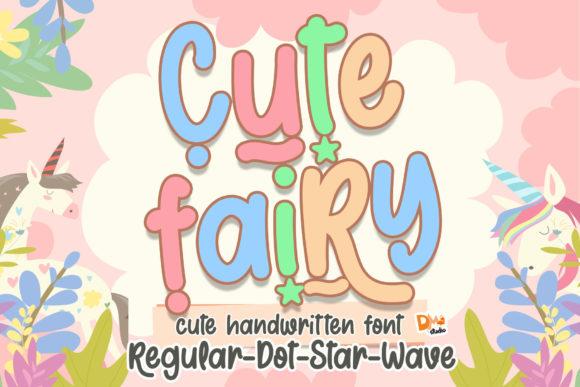
Cute Fairy Font: A Handwritten Touch for Authentic Design
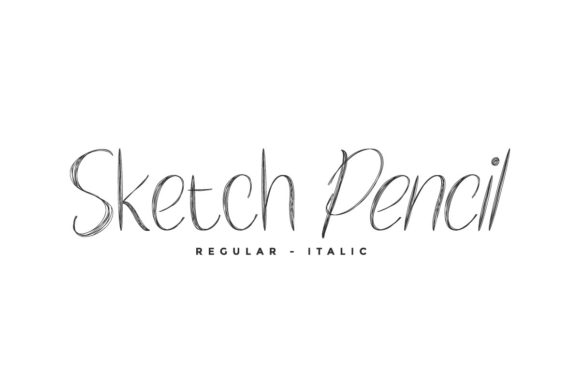
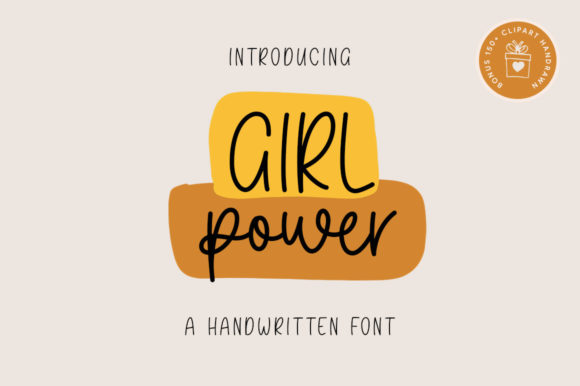
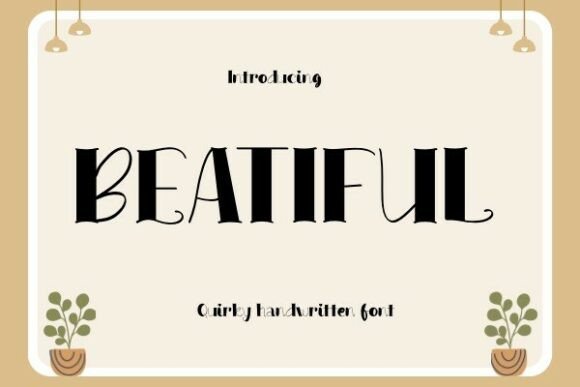
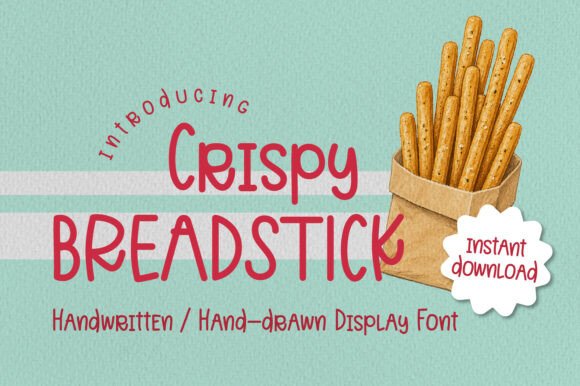
Imagine a font that instantly adds warmth, personality, and a handcrafted feel to any project. That's the charm of Cute Fairy, a delightful and simple lettered handwritten font designed to bring a personal, realistic touch to your creative work. In a digital landscape saturated with sterile, geometric typefaces, a font like Cute Fairy offers a crucial element of human connection, making it an invaluable asset for designers, educators, and marketers aiming to create more engaging and relatable visual communication.
The Role of Handwritten Typography in Modern Design
Typography is a cornerstone of effective graphic design, directly influencing readability, mood, and brand perception. While sans-serifs and serifs provide structure and formality, handwritten fonts like Cute Fairy introduce an organic, approachable quality. This style is particularly powerful for creating visual hierarchy, where a script font can draw the eye to key messages, quotes, or calls-to-action. Its authentic look avoids the sometimes overly polished or artificial appearance of more technical fonts, fostering a sense of trust and authenticity that is essential in today's branding and digital marketing strategies.
Practical Applications for Creative Projects
The versatility of a font like Cute Fairy makes it suitable for a wide array of applications across different design disciplines. Its inherent charm can elevate projects by adding a layer of personality and craftsmanship.
- Branding and Logo Design: Ideal for businesses with a friendly, artisanal, or youthful brand identity. It works beautifully for bakeries, boutiques, children's brands, or wellness studios, helping to establish a memorable and welcoming visual language.
- Marketing and Social Media Graphics: Perfect for creating eye-catching quotes, testimonial cards, and promotional materials. On platforms like Instagram or Pinterest, its handwritten style can stop the scroll, increase engagement, and make content feel more personal and shareable.
- Editorial and Packaging Design: Adds a whimsical or nostalgic touch to book covers, magazine headers, product labels, and packaging. It can enhance the storytelling aspect of a product, making it more appealing on the shelf or in an online store.
- Web and UI Design: Used strategically for hero text, call-to-action buttons, or decorative elements, it can soften a digital interface and guide user experience with a friendly nudge. However, careful consideration of readability at smaller sizes is key.
- Presentation and Merchandise: Brings a creative and engaging flair to slide decks, making key points more memorable. It's also excellent for designing custom merchandise like T-shirts, mugs, and posters where a hand-lettered aesthetic is desired.
Tips for Effective Typographic Integration
Successfully incorporating a decorative font like Cute Fairy requires thoughtful execution to maintain professionalism and clarity. Here are some actionable tips for your design workflow:
- Prioritize Readability: Reserve Cute Fairy for headlines, subheads, or short phrases. Pair it with a clean, highly legible sans-serif or serif font for body text to ensure your message is easily communicated.
- Maintain Visual Hierarchy: Use it to create a clear focal point. Its distinctive style naturally draws attention, so leverage it for the most important message in your composition.
- Consider Your Audience and Context: Ensure the font's playful and personal tone aligns with your brand voice and the expectations of your target audience. It may not be suitable for ultra-corporate or formal contexts.
- Test Across Formats: Always check how the font renders in different sizes, on various screens, and in print to guarantee consistency and quality in your final output.
- Build a Cohesive System: Select complementary fonts, a harmonious color palette, and supporting imagery that align with the whimsical yet authentic feel of the handwritten style to create a unified brand identity.
In the realm of visual design, every element contributes to the overall narrative and user experience. Thoughtfully chosen creative assets, like a characterful font, are more than just decorative—they are functional tools for communication. By integrating resources that offer both aesthetic appeal and practical utility, designers and creators can produce work that not only looks polished and professional but also resonates deeply, building stronger connections and leaving a lasting impression in a crowded visual world.