Namaste Font: Elevate Your Design with Elegance
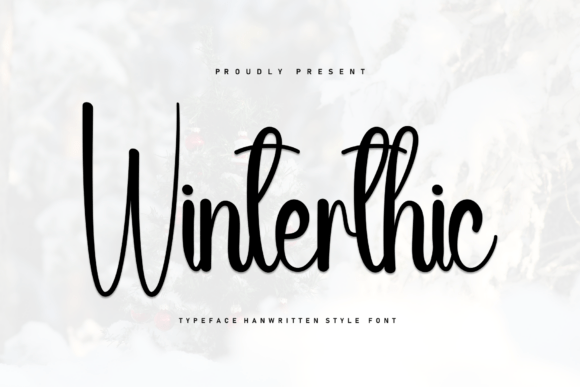
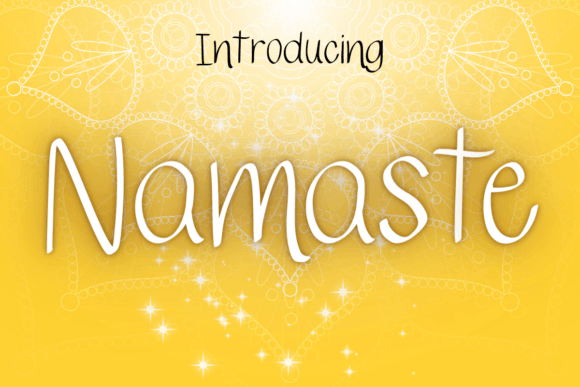
In the world of visual design, the right typography can transform a simple layout into a compelling story. The Namaste font, a thin and smooth script with a subtle Arabic-Hindi vibe, offers designers a unique tool to inject warmth, authenticity, and a handwritten touch into their creative projects. Its elegant flow makes it more than just a typeface; it's a design asset that bridges cultural aesthetics with modern graphic design needs.
Understanding the Visual Impact of Namaste
Namaste’s strength lies in its delicate, flowing lines and its ability to convey a sense of personal craftsmanship. Unlike heavy, blocky fonts, it introduces a soft, organic quality to any composition. This makes it exceptionally effective for projects where human connection and emotional resonance are key. Its slight Arabic-Hindi influence adds a layer of global sophistication, allowing it to stand out in a crowded market of standard scripts. For a designer building a brand identity, choosing Namaste can instantly communicate elegance, thoughtfulness, and a touch of exotic flair.
Practical Applications for Modern Branding
Integrating a font like Namaste into your design workflow requires strategic thinking. Its primary value is in creating focal points and adding personality without sacrificing readability. Consider these practical applications:
- Brand Identity & Logo Design: Namaste shines in logos for boutique businesses, wellness brands, artisanal products, or wedding services. It crafts a memorable wordmark that feels both premium and approachable.
- Marketing & Social Media Graphics: Use it for headlines on thank you cards, quote graphics, or promotional banners. Its handwritten touch boosts engagement by making content feel more personal and less corporate.
- Editorial & Packaging Design: In book covers, magazine headers, or product packaging, Namaste adds a layer of artistic detail. It pairs well with clean, sans-serif body text, creating a strong visual hierarchy that guides the viewer's eye.
- Digital & Web Design: When used sparingly in UI design—such as for special section titles, buttons, or 404 pages—it can soften a digital interface and enhance the user experience with a moment of visual delight.
Tips for Effective Typography Choices
Selecting a creative asset like a script font is just the first step. To ensure it enhances rather than hinders your project, follow these professional guidelines:
- Prioritize Context and Readability: Always consider the medium. Namaste is stunning on invitations but may be challenging for long-form body copy on a website. Use it for display purposes where its intricate details can be appreciated.
- Maintain Brand Consistency: If you're building a brand system, ensure Namaste's style aligns with your overall color palette, imagery, and tone of voice. It should complement your core messaging, not conflict with it.
- Test for Scalability: View your designs at multiple sizes—from a small business card to a large banner. Ensure the font remains legible and retains its character at every scale.
- Pair Thoughtfully: Create balance by pairing Namaste with a neutral, highly readable typeface. A classic serif or a geometric sans-serif can provide the perfect counterpoint, allowing the script to be the star.
Ultimately, the power of a typeface like Namaste lies in its ability to elevate a design from merely functional to emotionally resonant. In a digital landscape saturated with generic visuals, thoughtful typography choices are a hallmark of professional presentation and strong visual communication. By selecting quality creative assets that align with your project's goals, you invest not just in aesthetics, but in building clearer connections and more impactful brand experiences for your audience.