Historic: Elevate Your Typography
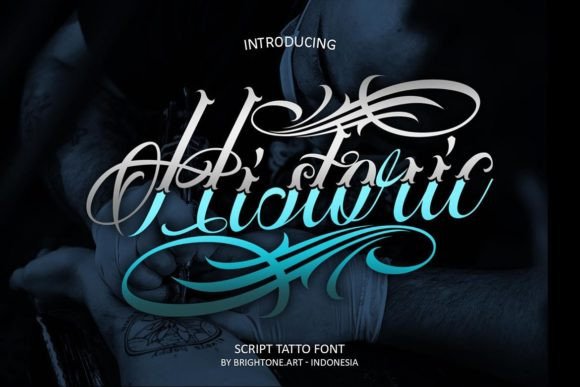
The right typeface does more than just present words; it tells a story, sets a mood, and creates an immediate connection with the viewer. In a digital landscape saturated with generic fonts, finding a script that offers both character and versatility is a significant advantage. This is precisely where the Historic handwritten font excels, providing a sophisticated yet personal touch that can transform standard design projects into memorable visual experiences.
From a professional graphic design perspective, Historic is more than just a collection of letters. It is a carefully crafted typeface that balances the organic, fluid nature of handwriting with a structured elegance suitable for commercial use. Its design avoids the pitfalls of many script fonts, which can often appear either too casual for professional contexts or too rigid to convey authenticity. Instead, Historic offers a unique blend of style and legibility, making it a powerful tool in a designer’s arsenal for projects ranging from brand identity development to digital marketing campaigns.
Why Typography is the Cornerstone of Effective Branding
Typography is a fundamental pillar of visual communication. It influences how a message is perceived, impacts readability, and contributes significantly to a brand’s overall personality. A well-chosen font like Historic can instantly convey values of craftsmanship, tradition, or boutique quality. When integrated into a brand’s visual hierarchy, it helps guide the viewer’s eye, creating focal points and establishing a clear narrative flow.
For designers and business owners, the choice of typography is a strategic decision. It must align with the target audience’s expectations and the core message of the brand. A handwritten font like Historic is particularly effective for brands that wish to appear approachable, creative, and human-centric. It adds a layer of warmth and personality that sterile, geometric sans-serifs often lack, making it an excellent choice for businesses in creative industries, artisanal goods, wellness, and hospitality.
Practical Applications for the Historic Font
The true value of a design asset lies in its versatility. Historic is designed to be a workhorse across numerous applications, ensuring consistency and high-quality execution in any medium. Its clean, elegant style makes it adaptable to both print and digital environments.
Brand Identity and Logo Design
A logo is the cornerstone of a brand’s identity. Using Historic in a logo can immediately communicate a sense of heritage, authenticity, and bespoke service. It works beautifully as a primary logotype or as a complementary element to a more structured font. The key is to ensure the font is paired with a simple, highly legible typeface for body text to maintain a clear visual hierarchy.
Marketing and Advertising Materials
From social media graphics to digital ads and printed brochures, compelling visuals are essential for capturing attention. Historic can be used to create impactful headlines, pull quotes, and calls to action that stand out. Its handwritten nature adds a personal, persuasive touch to marketing messages, making them feel less like corporate sales pitches and more like genuine recommendations.
Packaging and Product Design
In packaging design, typography helps tell the product’s story on the shelf. Historic is an ideal choice for labels on artisan foods, craft beverages, cosmetics, and specialty goods. It suggests quality, care, and a unique origin, helping a product connect with consumers on an emotional level before they even try it.
Editorial and Web Design
For editorial layouts, blogs, and website design, Historic can add a sophisticated flair to section headers, pull quotes, and feature titles. It breaks up the monotony of standard text, improving user engagement and enhancing the reading experience. When used in UI design, it should be applied sparingly to avoid compromising usability, focusing instead on decorative elements or specific interactive labels where character is more important than uniformity.
Integrating Historic into Your Design Workflow
Successfully incorporating a new font into your creative projects requires more than just installation. It demands a thoughtful approach to ensure it enhances, rather than overwhelms, your design. Consider these practical tips:
- Establish a Typographic Pairing: Historic shines when paired with a clean, neutral font. A simple sans-serif like Lato, Montserrat, or a classic serif like Garamond can provide excellent contrast, ensuring body text remains highly readable while the headlines retain their stylistic impact.
- Test for Scalability: Always test how the font renders at different sizes. While Historic is designed for clarity, handwritten fonts can lose detail at very small sizes. Use it for larger display text to maximize its visual appeal.
- Mind the Color Palette: The effectiveness of any typography is influenced by its color context. Historic works well with a wide range of color palettes, from muted earth tones that enhance its classic feel to bold, modern colors that create striking contrast.
- Respect White Space: Allow the font to breathe. Generous margins and line spacing (leading) are crucial for script fonts to maintain legibility and elegance. Crowding the text can make it appear messy and difficult to read.
Enhancing Modern Aesthetics with a Classic Touch
In an era of digital-first design, the demand for authenticity and human connection has never been higher. Modern aesthetics are increasingly embracing elements that feel handmade and genuine. Historic taps directly into this trend, offering a solution that feels both timeless and contemporary.
Whether you are developing a comprehensive brand identity system, creating a series of social media posts, or designing premium packaging, the tools you choose have a direct impact on the final result. Investing in high-quality creative assets like Historic is an investment in the clarity and effectiveness of your visual communication. It empowers designers and creators to produce work that not only looks beautiful but also resonates deeply with its intended audience, ensuring every project stands out with a distinct and professional character.