Daily Honey: Elevating Design with Fluid Script Typography
In the crowded landscape of digital typography, finding a font that captures both elegance and authentic personality can transform a standard layout into a memorable visual experience. Daily Honey represents a sophisticated evolution in handwritten script fonts, offering designers a tool that bridges the gap between casual warmth and professional refinement. This typeface is not merely a collection of letters; it is a stylistic asset designed to inject a sense of customized artistry into modern creative projects.
The Anatomy of a Modern Script
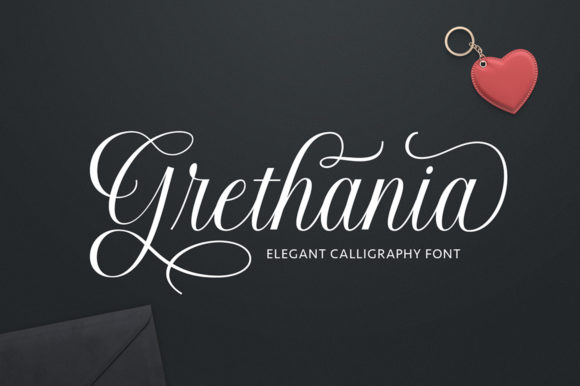
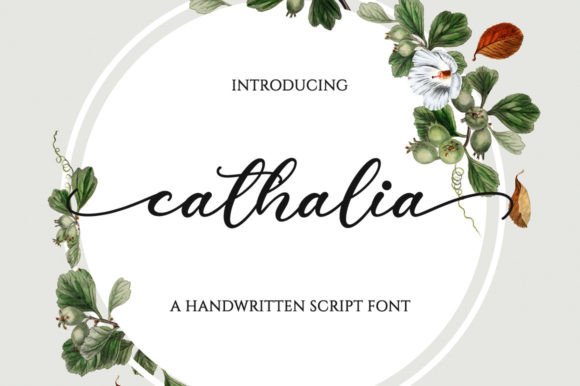
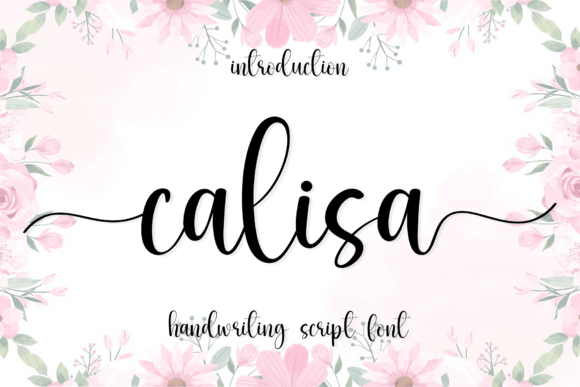
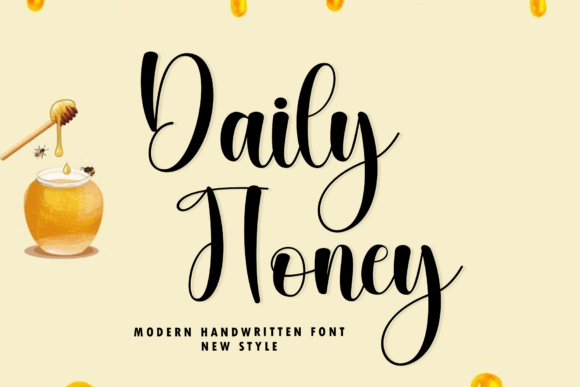
Understanding the technical structure of Daily Honey helps explain its versatility. The font features vertically elongated letterforms, a design choice that creates a sense of height and grace without sacrificing readability. Rendered with a fine, monolinear stroke weight, it avoids the heavy, blotchy appearance often associated with traditional brush scripts. Instead, the smooth character joins and tall, sweeping ascenders mimic the fluidity of high-quality ink work on premium paper.
This rhythmic visual flow is essential for contemporary graphic design. It allows the text to guide the viewer’s eye naturally across the page, creating a dynamic sense of movement. Whether used for a wedding invitation or a digital ad, the typography acts as a visual anchor that feels both intimate and polished.
Strategic Applications in Branding and Marketing
The true power of a typeface like Daily Honey lies in its practical application across various media. Its aesthetic is particularly effective for brands that want to project an image of sophistication, care, and personal touch. It serves as an excellent choice for boutique brand identities, where the goal is to stand out from the rigid geometry of corporate sans-serifs.
Consider the following areas where this font can elevate your visual design:
- Boutique Brand Identity: Perfect for lifestyle brands, beauty products, or artisanal goods that rely on a human connection. It pairs well with clean, minimalist sans-serifs to create a strong visual hierarchy.
- Social Media Headers: In the fast-scrolling environment of Instagram or Pinterest, the elongated forms of Daily Honey catch the eye immediately, making it ideal for headers and overlay text on photography.
- Editorial and Web Design: Use it sparingly in editorial design for pull quotes or section headers to break up dense blocks of text and add rhythm to the layout.
- Packaging Design: For packaging design, the font communicates quality. It suggests that the product inside is crafted with attention to detail, enhancing the unboxing experience.
Integrating Typography into Your Design Workflow
While a beautiful font is a powerful creative asset, its effectiveness depends on how it is integrated into your broader design workflow. Typography is a key component of visual communication, and using script fonts requires a strategic approach to ensure legibility and impact.
Tips for Effective Implementation
To maximize the potential of Daily Honey or similar script fonts, designers should focus on context and contrast. Here are actionable recommendations for digital marketing and print:
- Prioritize Readability: Because script fonts can be complex, avoid using them for long paragraphs of body copy. Reserve them for headlines, sub-headers, or call-to-action phrases where brevity is key.
- Balance with Neutral Typefaces: Pair Daily Honey with a geometric sans-serif or a classic serif. This contrast creates a professional visual hierarchy, ensuring that the design feels grounded rather than chaotic.
- Check Scalability: Always test your typography at different sizes. A font that looks stunning on a desktop screen might lose its intricate details on a mobile UI. Ensure the monolinear stroke remains clear on smaller devices.
- Respect the Whitespace: Elegant scripts require breathing room. Generous margins and padding allow the sweeping ascenders and descenders to shine without overlapping other design elements.
Ultimately, the choice of typography defines the voice of a project. By selecting a resource like Daily Honey, designers can move beyond generic templates to create visual designs